
Karachi Rabies Control Initiative Charts Strategic Roadmap to Tackle Rising Dog Bite Crisis
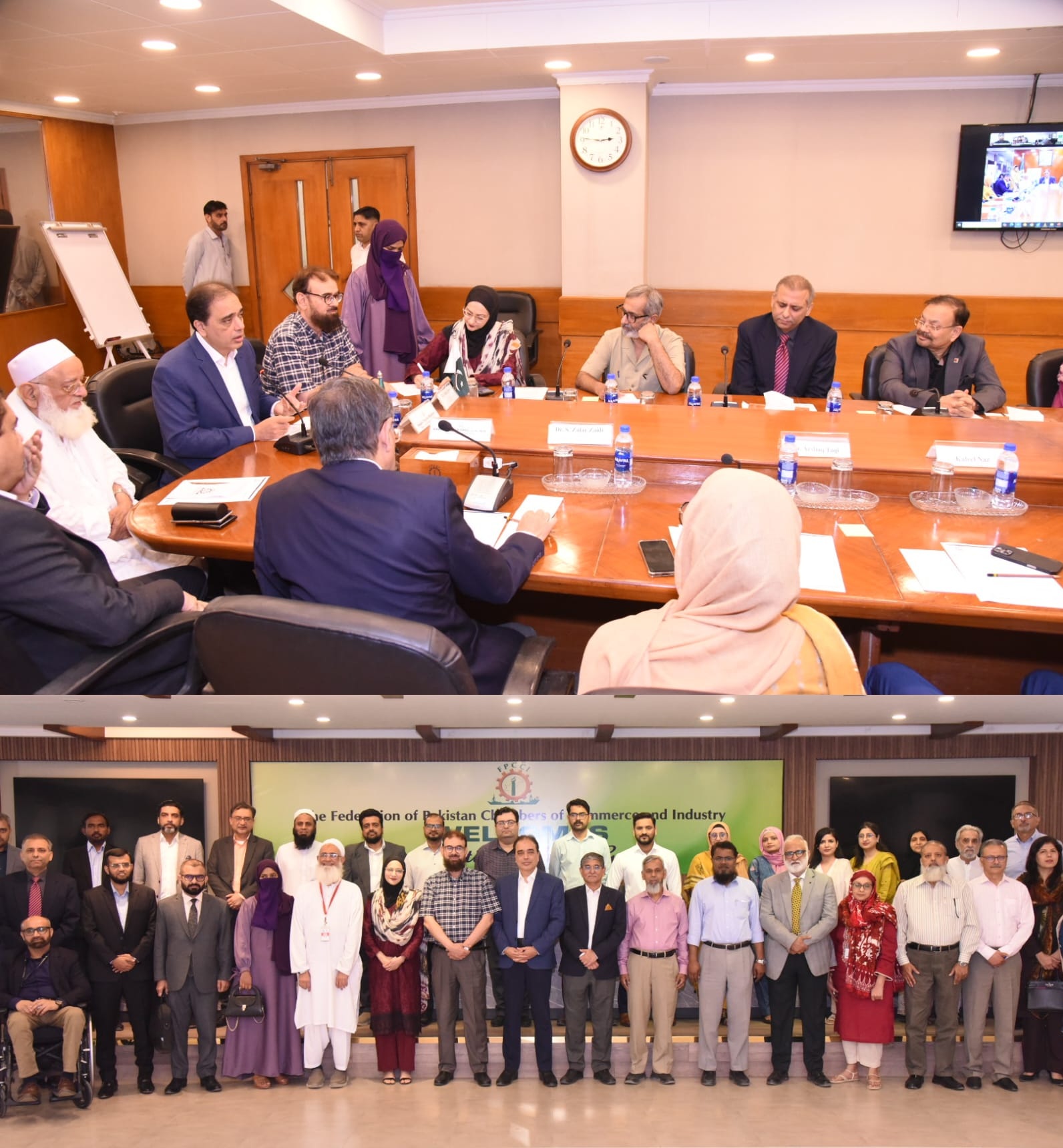
Karachi, A multi-stakeholder consultation held at The Indus Hospital brought together 35 participants from across sectors to address the escalating public health emergency posed by dog bites and rabies in Pakistan.
Representatives from IHHN, veterinary professionals, animal welfare groups, legal experts, government departments, media, and civil society convened to outline a coordinated response.
Participants expressed serious concern over the alarming rise in dog bite incidents across urban and rural areas, with Karachi alone estimated to have between 1 to 1.5 million stray dogs.
The increasing prevalence of rabies has placed hundreds of thousands, particularly children, at risk of injury, trauma, and death. Speakers highlighted growing public fear, with many families reluctant to allow children outdoors due to aggressive dog packs.
While some attendees advocated for mass culling, the majority strongly opposed such measures, citing global evidence and guidance from World Health Organization and ICAM Coalition, which confirm that culling is ineffective and unsustainable.
Instead, successful international models from countries like Türkiye, Mexico, and Morocco were discussed, where long-term strategies such as Mass Dog Vaccination (MDV) and Dog Population Management (DPM) have led to rabies-free outcomes.
The consultation highlighted that rabies control is a complex, system-wide challenge requiring coordinated, multi-sectoral action. Participants agreed that Karachi has the potential to transition from reactive interventions to a sustainable and scalable model for the province and beyond.
Furthermore, key gaps were identified including absence of a clear policy framework, weak accountability in past TNVR efforts, lack of integrated data systems, poor solid waste management contributing to unchecked breeding, limited public awareness, and insufficient access to vaccines and Rabies Immunoglobulin (RIG).
Additionally, gaps in healthcare worker training for post-bite management were noted.
The forum proposed a comprehensive way forward, including hotspot targeting, validation of dog population estimates, and zone-based implementation model.
It emphasized integrating veterinary institutions into training and execution, strengthening the “Rabies Free Pakistan” initiative, and addressing environmental factors such as waste management.
A detailed action plan was outlined, including the appointment of a full-time Program Manager, development of cost and capacity projections, centralized data tracking, pilot district implementation, and adoption of a public-private partnership model.
Collaboration with international partners such as FOUR PAWS International and UNICEF was also recommended.
The initiative promotes a humane, science-based approach: Mass Dog Vaccination (MDV) combined with Dog Population Management (DPM) under the guiding principle of “No Poison, No Bullet.”
Participants concluded that while the scientific roadmap is clear, urgent political will and sustained commitment are essential to protect both human and animal lives and to eliminate rabies from Sindh.

Advertisement

Comments (0)