
Gilgit-Baltistan and the Pakistan Peoples Party: A Relationship Rooted in History and Ideology
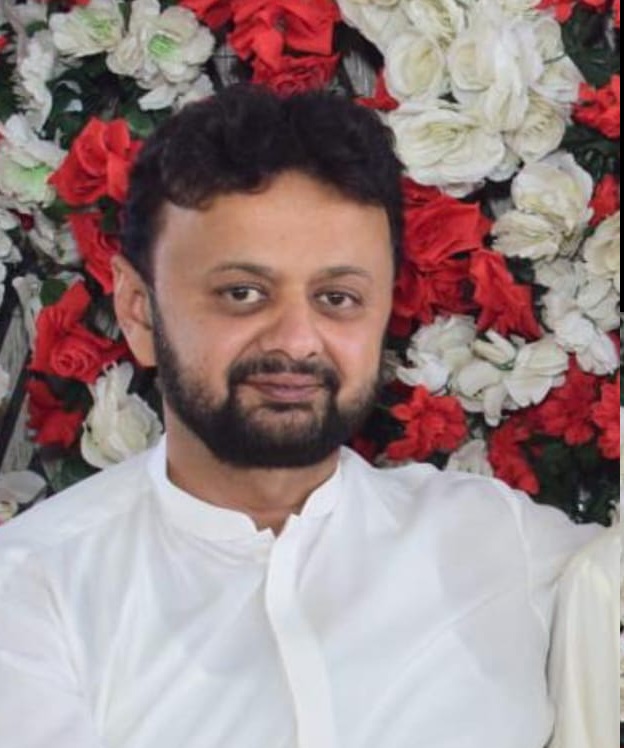
By: Imran Dhamrah
Gilgit-Baltistan, Pakistan’s northern gateway, is a region blessed with breathtaking natural beauty, immense strategic importance and resilient communities. Beyond its geographical significance, the region has played an important role in the country’s political landscape. Among the many political forces that have shaped its trajectory, the Pakistan Peoples Party (PPP) enjoys a distinctive relationship with the people of Gilgit-Baltistan — one built on history, political reforms and public trust.
The roots of this relationship can be traced back to the leadership of the late Prime Minister, Zulfikar Ali Bhutto. When he assumed office, Gilgit-Baltistan faced numerous challenges, including limited political rights, inadequate development and a lack of constitutional recognition. During his historic visit to the region in 1974, Bhutto introduced reforms that fundamentally altered the socio-political structure of Gilgit-Baltistan. The abolition of the centuries-old feudal and princely system, along with the removal of restrictive colonial-era laws, marked a turning point in the region’s history.
These reforms not only expanded civil liberties but also laid the foundation for greater social and economic development. Measures such as subsidised wheat schemes provided relief to communities living in remote and economically disadvantaged areas. For many residents, these initiatives became symbols of inclusion and state support, strengthening the bond between the people of Gilgit-Baltistan and the PPP.
The late former prime minister Benazir Bhutto continued this legacy by prioritising development projects in the region. Investments in education, healthcare and infrastructure sought to improve living standards and connect remote communities with the rest of the country. These efforts reinforced the party’s image as a political force attentive to the needs of marginalised regions.
A significant milestone came during the presidency of Asif Ali Zardari, when the Gilgit-Baltistan Empowerment and Self-Governance Order of 2009 was introduced. The framework provided the region with an elected legislative assembly, a chief minister and a governor, granting greater administrative and political autonomy. For many observers, the move represented one of the most consequential developments in Gilgit-Baltistan’s modern political history.
The PPP’s recent electoral success in the region reflects, in part, the enduring connection between the party and its traditional support base. Supporters argue that the outcome demonstrates public recognition of the party’s historical role in advancing political rights, governance reforms and socio-economic development. They view the result not merely as an electoral victory but as an endorsement of a political legacy associated with democratic governance and regional empowerment.
At a time when Pakistan continues to face political and economic challenges, the electorate’s choices often reflect broader expectations of governance and service delivery. In Gilgit-Baltistan, many voters continue to evaluate political parties based on their historical performance, policy commitments and contributions to regional development.
The people of Gilgit-Baltistan have long demonstrated a strong political awareness and an appreciation of the region’s historical journey. As debates over constitutional status, representation and development continue, the PPP’s role remains a prominent part of that narrative. Recent electoral developments may therefore be seen as another chapter in a relationship shaped by history, reform and public engagement.
Advertisement
Comments (0)